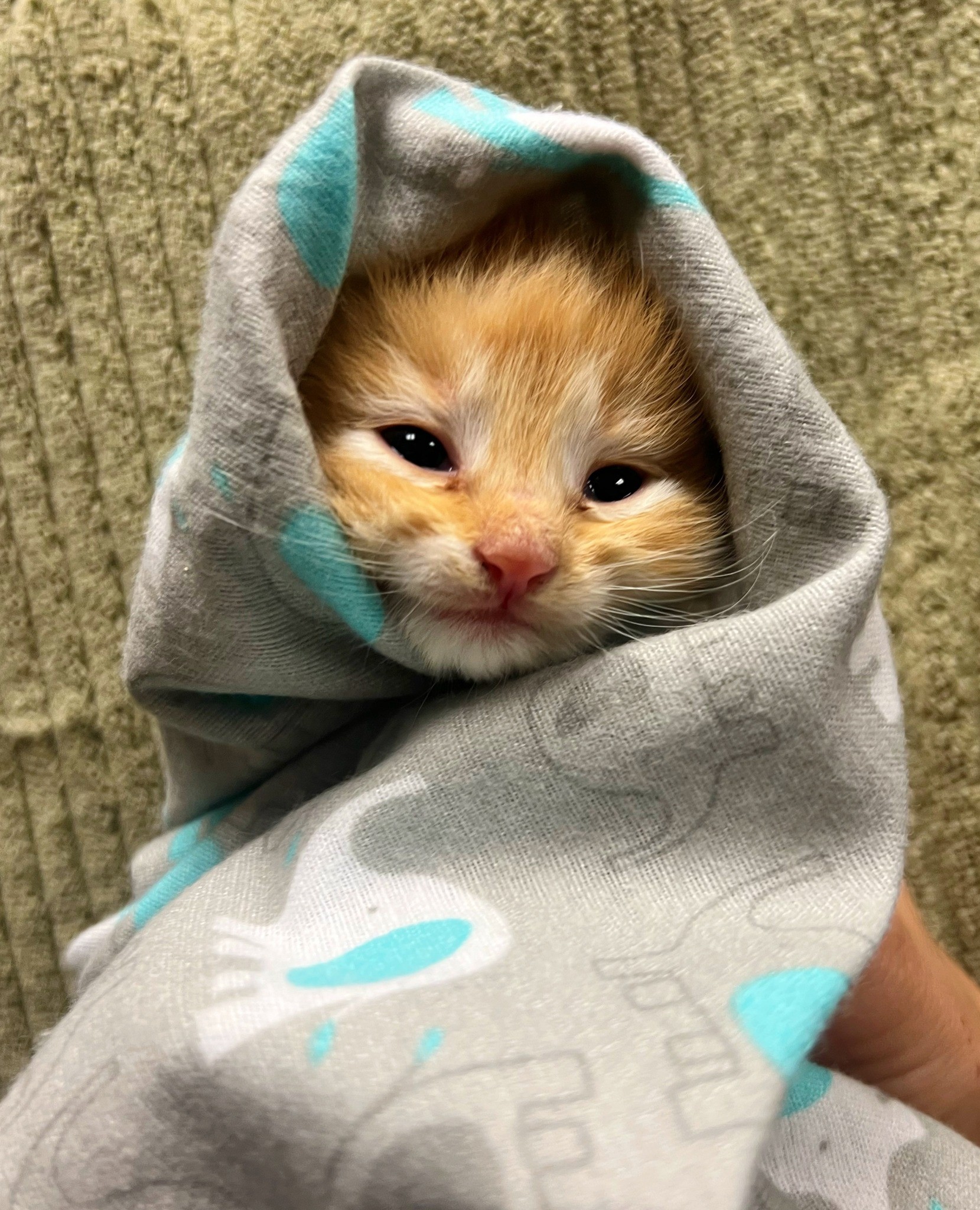
Caring for Your New Cat
Congratulations on adopting your new feline friend! Bringing home a cat is exciting, but it can take a little time for them to adjust. Use these expert tips to help your kitty settle in, stay healthy, and feel right at home.
Introducing Your Cat to Other Pets
Cats are territorial, and introductions should be slow and calm. Rushing can create fear or aggression. Start by confining your new cat to one cozy room with food, water, and a litterbox.
Step-by-step introduction:
- Swap scents – Exchange blankets or bedding so pets learn each other’s smell.
- Feed near the door – Feed on opposite sides so they associate good things (meals!) with each other.
- Switch rooms – Let your new cat explore the home while your other pets stay in their space.
- Gradual face time – Crack the door with a doorstop, allowing short glimpses.
- Supervised meetings – Use leashes or baby gates and keep sessions short and positive.
- Never force contact – End sessions if either pet seems stressed.
Cat-to-Dog Introductions
Dogs can easily injure cats, even during play. Use the same slow intro steps as above, plus:
- Brush up on dog obedience: Commands like “sit” and “stay” are essential.
- Leash control: Keep your dog leashed during early meetings.
- Reward calm behavior: Treats and praise teach your dog that ignoring the cat is a good thing.
- Never allow chasing: It reinforces the wrong behavior.
- Supervise every interaction until both are relaxed.
Cat Toys & Playtime
Play is how cats express curiosity, practice hunting, and relieve stress.
Safe toy ideas:
- Plastic balls, ping-pong balls, and paper bags (remove handles!)
- Sisal-wrapped toys or cardboard tubes
- Soft toys for cuddling or “wrestling”
- Catnip toys (not all cats respond to catnip)
Pro tips:
- Rotate toys weekly to keep things interesting.
- Offer a mix of toys to chase, pounce on, and carry.
- Never let your cat play with string, ribbon, or rubber bands — they can be swallowed.
Litterbox Success
Cats are usually naturally tidy, but setup matters.
Basics:
- Have one litterbox per cat, plus one extra.
- Place boxes in quiet, easy-to-reach areas (avoid loud appliances).
- Use fine-grain, unscented litter — most cats prefer it.
- Scoop daily and wash the box weekly with mild soap and water.
If problems arise, talk to your vet first — medical issues can cause accidents. Behavioral issues can often be fixed with clean boxes, consistency, and patience.
Scratching & Claw Care
Scratching is natural for cats — it helps them stretch, mark territory, and shed old claw layers.
Encourage healthy scratching.
- Provide sturdy posts made of sisal, cardboard, or wood.
- Place posts near favorite nap spots and entrances.
- Discourage unwanted scratching with sticky tape, foil, or sandpaper on furniture.
- Trim claws every 1–2 weeks to reduce damage.
Never punish scratching. Redirect instead, and reward when they use the right spot.
Kitten Play & Biting
Kittens play rough by nature — it’s how they learn to hunt. Redirect nipping or pouncing to toys, not hands or feet.
Try:
- Wand toys, rolling toys, or small stuffed “wrestle” toys.
- Three short play sessions a day to burn off energy.
- If your kitten bites, calmly walk away and ignore them until they settle.
Indoor vs. Outdoor Life
Indoor cats live three times longer than outdoor cats. Outside, they face cars, predators, disease, and poisoning. Inside, they stay safe — and can be just as happy with enrichment.
Create an indoor paradise:
- Add scratching posts, window perches, and climbing trees.
- Offer supervised “catio” time or use safe outdoor enclosures.
- Harness training can also provide safe outdoor adventures.
Health & Safety
Cats from shelters may be adjusting to new environments and can occasionally develop mild upper respiratory infections (URIs) — similar to human colds. Watch for sneezing, watery eyes, or congestion.
If symptoms appear, contact your vet promptly. Provide rest, warmth, and TLC — most recover quickly with care.
What Indoor Cats Miss Out On
Traffic, fights, fleas, poisons, cruel strangers, and getting lost. Keeping your cat indoors means more years of cuddles — and a stronger bond with you.